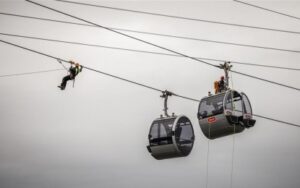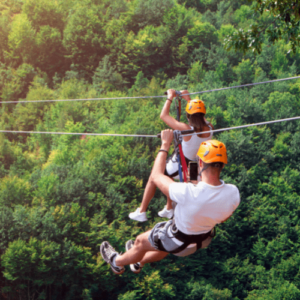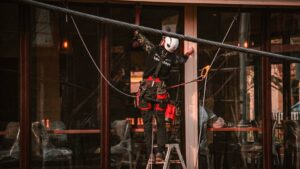
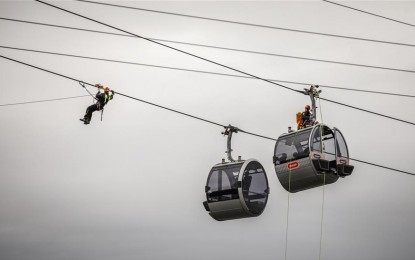
Safe and reliable cable car operations depend on proper engineering, regular inspections, skilled technicians, and well-planned maintenance procedures. A cable car system combines cables, towers, stations, drive equipment, cabins, braking components, electrical systems, communication equipment, and other mechanical parts. Each component needs proper attention to support dependable operation.
Cable car maintenance Philippines services help operators identify wear, mechanical concerns, cable issues, structural conditions, and other technical problems before they affect daily operations. Proper maintenance also supports passenger safety, equipment reliability, service continuity, and longer equipment life.
828 Cable System Inc. provides specialized engineering services for rope, height, cable, and load applications. Founded under the Benedicto Steel Group, the company serves the rigging industry through solutions covering fall protection, height access, ropeway engineering, cable engineering, zipline engineering, and load engineering.
For projects requiring cable car maintenance Philippines, professional engineering support can help operators develop inspection routines, maintenance schedules, component checks, repair plans, and technical procedures suited to the actual system.
What Is Cable Car Maintenance?
Cable car maintenance refers to the inspection, servicing, testing, adjustment, repair, and replacement of components used by a cable car or ropeway transportation system.
A cable car may operate under changing weather, temperature, humidity, passenger loads, vibration, cable tension, and mechanical stress. Regular service helps identify conditions that could affect system performance.
A comprehensive cable car maintenance Philippines program may cover:
- Passenger cabins and carriers
- Suspension and traction cables
- Drive systems
- Sheaves and pulleys
- Braking systems
- Grips and attachment components
- Towers and structural supports
- Electrical equipment
- Control systems
- Safety devices
- Communication equipment
- Station equipment
- Emergency systems
- Access ladders, walkways, and maintenance platforms
Maintenance procedures should reflect the design, manufacturer requirements, operating conditions, site environment, and applicable technical requirements. International ropeway guidance also places strong attention on inspection, testing, maintenance, emergency readiness, and qualified personnel.
Why Cable Car Maintenance Matters
Cable cars depend on coordinated operation among multiple mechanical, electrical, structural, and safety components. A concern affecting one component can potentially influence other parts of the system.
Regular cable car maintenance Philippines helps operators monitor equipment condition and respond to developing issues before they become major service interruptions.
Maintenance can provide several important benefits.
Passenger Safety
Passenger transportation requires careful monitoring of equipment condition. Cables, grips, brakes, cabins, stations, towers, and control equipment require appropriate inspection and servicing.
Equipment Reliability
Scheduled inspections help detect wear, corrosion, loose connections, damaged components, abnormal vibration, and other concerns.
Longer Equipment Service Life
Correct lubrication, adjustment, cleaning, component replacement, and technical inspection can help reduce unnecessary stress on equipment.
Reduced Downtime
Planned maintenance allows operators to schedule service activities rather than waiting for unexpected equipment failure.
Better Operational Planning
Maintenance records can help operators identify recurring issues, determine replacement requirements, plan shutdown periods, and prepare spare parts.
A professional cable car maintenance Philippines program should therefore be viewed as a continuing engineering responsibility rather than an occasional repair activity.
Key Components Checked During Cable Car Maintenance
Cable car systems contain many components that work together. Each requires an appropriate inspection approach.
Suspension and Traction Cables
Cables are among the most critical elements of a ropeway system. Technicians may inspect cables for visible damage, corrosion, deformation, broken wires, wear, and other conditions specified by the system manufacturer and applicable technical requirements.
Cable condition can also be affected by tension, bending, environmental exposure, and operating cycles.
Professional cable car maintenance Philippines services should include appropriate cable inspection methods based on cable design and project requirements.
Drive Systems
Drive equipment provides the mechanical force required to move the cable and carriers. Maintenance may involve motors, gearboxes, shafts, bearings, pulleys, brakes, and related components.
Abnormal noise, vibration, temperature, lubrication condition, or unusual movement may indicate a developing mechanical issue.
Braking Systems
Braking equipment is essential for controlled movement and stopping. Maintenance teams should inspect braking components according to manufacturer procedures and applicable requirements.
Brake testing may form part of scheduled inspection activities.
Towers and Structural Components
Towers support ropeway cables and related equipment. Structural inspections may assess connections, welds, corrosion, foundations, platforms, ladders, access systems, and other components.
Maintenance access also deserves attention. Ropeway engineering guidance recognizes the need for suitable provisions that allow maintenance and rescue personnel to work safely around elevated equipment.
Passenger Cabins
Cabins require routine checks covering doors, locks, attachment points, seats, communication equipment, lighting, emergency equipment, and structural components.
Passenger-facing components should remain clean, functional, secure, and suitable for their intended use.
Cable Inspection and Assessment
Cable inspection forms a major part of cable car maintenance Philippines. Ropeway cables experience repeated loading and movement during normal operation, making regular condition assessment important.
Inspection procedures may include visual examination and specialized testing based on cable type, system design, operating history, and manufacturer requirements.
Technicians may look for:
- Broken wires
- Corrosion
- Abrasion
- Localized deformation
- Kinks
- Diameter changes
- Lubrication concerns
- Surface damage
- Unusual cable movement
- Other signs of deterioration
A maintenance provider should document findings and compare them against the applicable technical criteria.
Cable maintenance should never rely solely on visual appearance. A qualified engineering assessment may be necessary when inspection findings indicate possible internal or structural concerns.
Preventive Maintenance for Cable Car Systems
Preventive maintenance involves planned activities intended to identify and correct equipment concerns before failure occurs.
A preventive cable car maintenance Philippines plan may include daily operator checks, periodic technical inspections, scheduled lubrication, mechanical adjustment, cable inspection, structural assessment, electrical testing, and replacement of worn components.
The actual frequency depends on factors such as:
- System design
- Manufacturer instructions
- Operating hours
- Passenger volume
- Environmental conditions
- Cable type
- Equipment age
- Previous inspection findings
- Local operating requirements
Ropeway maintenance specialists commonly use scheduled inspection and overhaul programs to maintain system safety and availability. POMA’s maintenance division, for example, describes inspection, overhaul, preventive maintenance, curative maintenance, cable work, and component servicing as part of ropeway lifecycle support.
Corrective Maintenance and Repairs
Preventive service cannot eliminate every equipment issue. Unexpected faults may still occur, especially with older equipment, heavy operating cycles, environmental exposure, or component deterioration.
Corrective cable car maintenance Philippines addresses identified defects through repair, adjustment, component replacement, or other appropriate technical action.
A typical corrective process may include:
- Identifying the reported issue
- Isolating affected equipment
- Conducting technical inspection
- Determining the likely cause
- Assessing the condition of related components
- Planning repair work
- Replacing or repairing affected parts
- Testing the repaired system
- Recording the completed work
- Returning equipment to service after appropriate verification
Root-cause evaluation can be useful when the same issue appears repeatedly.
Importance of Professional Ropeway Engineering
Cable car maintenance requires more than general mechanical servicing. Ropeway systems involve cable dynamics, structural loads, mechanical drives, passenger carriers, safety systems, electrical controls, and elevated work areas.
Professional ropeway engineering brings these elements together through technical planning and assessment.
828 Cable System Inc. specializes in ropeway engineering, cable engineering, height access, fall protection, zipline engineering, and load engineering. Its service scope makes it suitable for projects that require coordinated solutions for cable-based transportation and elevated infrastructure.
For cable car maintenance Philippines, engineering support can help operators understand system condition, maintenance requirements, access challenges, equipment needs, and potential upgrade requirements.
Cable Car Maintenance and Safety Planning
Safety planning should form part of every maintenance program. Maintenance personnel may work around moving machinery, elevated structures, cables, electrical equipment, and heavy components.
A proper maintenance plan should address:
- Work permits
- Equipment shutdown
- Lockout procedures
- Fall protection
- Safe access
- Personal protective equipment
- Communication
- Lifting requirements
- Work-zone control
- Emergency procedures
- Rescue planning
- Post-maintenance testing
Ropeway safety guidance places attention on safe boarding, movement, system integrity, maintenance management, emergency procedures, and staff training.
For elevated maintenance tasks, appropriate height access and fall protection systems can also be essential.
Height Access for Cable Car Maintenance
Technicians may need to reach towers, cables, sheaves, stations, drive equipment, and elevated structural components.
Safe access systems may include:
- Fixed ladders
- Walkways
- Guardrails
- Anchor points
- Fall arrest systems
- Maintenance platforms
- Rope access systems
- Building maintenance equipment where applicable
A well-designed height access system allows technicians to reach equipment while reducing unnecessary exposure to elevated hazards.
This creates a strong connection between cable car maintenance Philippines and the broader height access services offered by 828 Cable System Inc.
Cable Car Maintenance for Philippine Conditions
Philippine environments can expose outdoor cable car systems to humidity, rainfall, strong sunlight, salt-laden air near coastal areas, vegetation, dust, and temperature changes.
These conditions can contribute to corrosion, surface deterioration, lubrication concerns, electrical issues, and accelerated wear.
A cable car maintenance Philippines plan should account for actual site conditions rather than relying solely on a generic maintenance schedule.
Coastal installations may require closer corrosion monitoring. Systems operating near dense vegetation may require additional site inspection. High-use tourist systems may require closer monitoring of mechanical and passenger components.
A site-specific maintenance plan can help operators respond to actual operating conditions.
Documentation and Maintenance Records
Accurate records provide useful information for long-term equipment management.
A maintenance record may include:
- Inspection date
- Equipment identification
- Inspection personnel
- Observed conditions
- Measurements
- Repairs completed
- Parts replaced
- Lubrication activities
- Testing results
- Recommendations
- Follow-up requirements
Good documentation allows operators to compare equipment condition over time.
For cable car maintenance Philippines, historical records can also help engineering teams identify recurring defects, monitor component life, plan shutdowns, and prepare budgets for future replacement or upgrades.
Cable Car Maintenance and Emergency Preparedness
Maintenance programs should also consider emergency situations.
Ropeway systems can require specialized response procedures if equipment becomes immobilized or if passengers cannot return to a station through normal operation.
Emergency planning may cover:
- System shutdown
- Passenger communication
- Rescue access
- Evacuation routes
- Rescue equipment
- Personnel responsibilities
- Emergency communication
- Coordination with response teams
- Periodic emergency exercises
Industry guidance recognizes emergency preparedness and evacuation planning as important elements of ropeway operation.
A cable car maintenance Philippines provider can support technical readiness by identifying maintenance access requirements and helping operators assess equipment relevant to emergency response.
When Should Cable Car Maintenance Be Scheduled?
Maintenance frequency depends on the cable car system, operating environment, manufacturer instructions, usage level, equipment age, and inspection results.
Operators may establish several maintenance levels, such as:
Routine Checks
Operators can perform basic checks before or during regular operations according to approved procedures.
Periodic Inspections
Technicians can conduct more detailed examinations of mechanical, electrical, structural, and safety components.
Major Inspections
Major inspection programs may involve detailed equipment examination, testing, component removal, replacement, adjustment, and engineering assessment.
Condition-Based Maintenance
Inspection results can guide decisions about when components need servicing or replacement.
The exact schedule should be developed by qualified professionals using the actual system documentation and applicable requirements.
Choosing a Cable Car Maintenance Philippines Service Provider
Selecting a qualified engineering partner is an important step for cable car operators.
Consider the provider’s experience with:
- Ropeway systems
- Wire ropes
- Cable engineering
- Mechanical systems
- Height access
- Fall protection
- Structural inspection
- Load engineering
- Maintenance planning
- Safety procedures
- Technical documentation
Experience across related engineering disciplines can be valuable because cable car systems combine several technical areas.
828 Cable System Inc. offers services covering ropeway engineering, cable engineering, height access solutions, fall protection, zipline engineering, and load engineering. This broad technical scope supports projects that require more than a single equipment service.
Why Choose 828 Cable System Inc.?
828 Cable System Inc. was established under the Benedicto Steel Group to serve the requirements of the rigging industry.
Its services cover wire rope-related projects throughout the Philippines and across Asia. The company focuses on fall protection, height access solutions, ropeway engineering, cable engineering, zipline engineering, and load engineering.
For clients searching for cable car maintenance Philippines, this engineering background provides access to related technical capabilities covering cables, height access, structural considerations, and load-related applications.
The company can support projects involving cable cars, ropeways, ziplines, cranes, fall arrest systems, walkways, guardrails, building maintenance units, and other specialized equipment.
Building a Reliable Cable Car Maintenance Program
A strong maintenance program starts with understanding the complete system.
The process may begin with a site assessment and review of available engineering documents. Technical teams can then identify major components, access requirements, operating conditions, maintenance priorities, and inspection needs.
A maintenance plan may then be developed around:
- Equipment inventory
- Inspection schedules
- Cable inspection
- Mechanical servicing
- Structural checks
- Electrical checks
- Safety system testing
- Component replacement
- Emergency planning
- Maintenance documentation
Regular review can help keep the plan aligned with changes to operating conditions and equipment condition.
For organizations searching for cable car maintenance Philippines, working with an experienced engineering company can help create a practical approach suited to the system and site.
Cable Car Maintenance Philippines for Long-Term System Reliability
Cable car systems represent significant engineering investments. Proper care helps protect those investments while supporting passenger safety and operational reliability.
Regular inspection, preventive maintenance, corrective repair, cable assessment, structural checks, safety testing, and technical documentation all contribute to responsible ropeway operation.
Cable car maintenance Philippines should be treated as a continuing process that covers equipment condition, maintenance access, personnel safety, emergency readiness, and long-term system performance.
With expertise across ropeway engineering, cable systems, height access, fall protection, zipline engineering, and load engineering, 828 Cable System Inc. can provide specialized technical support for projects that involve complex cable and elevated systems.
Takeaway
Reliable cable car operation depends on proper engineering, skilled inspection, planned maintenance, and appropriate safety procedures. Every system has unique requirements based on its design, operating environment, passenger capacity, equipment age, and usage.
A professional cable car maintenance Philippines program can help identify equipment concerns, plan servicing, improve maintenance records, support safe access, and prepare systems for continued operation.
828 Cable System Inc. brings together expertise across ropeway engineering, cable engineering, height access, fall protection, zipline systems, and load engineering. For organizations requiring technical support for cable-based transportation systems, this combination of services can provide a practical foundation for maintenance and engineering projects.
Frequently Asked Questions About Cable Car Maintenance Philippines
What does cable car maintenance Philippines include?
Cable car maintenance Philippines may include cable inspection, mechanical servicing, structural checks, drive system inspection, brake assessment, carrier inspection, electrical testing, safety equipment checks, lubrication, component replacement, and technical documentation. The exact scope depends on the system design and manufacturer requirements.
How often should a cable car be maintained?
Maintenance frequency depends on operating hours, passenger usage, equipment age, environmental exposure, manufacturer recommendations, and inspection findings. Routine checks may occur more frequently, while major inspections can follow longer planned intervals.
Why is cable inspection important?
Cables carry major operational loads and experience repeated movement. Inspection helps identify conditions such as wear, corrosion, broken wires, deformation, or other defects that may require further assessment.
Does cable car maintenance include tower inspection?
Yes. A comprehensive cable car maintenance Philippines program may include inspection of towers, structural connections, corrosion, platforms, access systems, foundations, and other supporting components.
Can height access systems be part of cable car maintenance?
Yes. Technicians may need safe access to towers, cables, sheaves, stations, and elevated machinery. Walkways, guardrails, ladders, anchor points, and fall arrest systems may support maintenance activities.
Why should cable car maintenance be performed by specialists?
Cable cars combine cables, mechanical systems, structural components, electrical controls, passenger carriers, and safety equipment. Specialist engineering knowledge can help ensure that inspections and maintenance activities reflect the actual design and operating requirements.
Does 828 Cable System Inc. provide ropeway engineering?
Yes. 828 Cable System Inc. provides ropeway engineering as part of its specialized services, alongside cable engineering, height access solutions, fall protection, zipline engineering, and load engineering.
Can 828 Cable System Inc. support projects outside Metro Manila?
The company serves wire rope-related projects across the Philippines and throughout Asia. Project scope, location, inspection requirements, and technical resources can be assessed according to each client’s needs.
What should operators prepare before requesting cable car maintenance?
Useful information may include system drawings, equipment specifications, manufacturer documentation, previous inspection reports, maintenance records, operating hours, site location, photographs, known equipment issues, and details about the intended maintenance scope.
How can I request cable car maintenance Philippines services?
Organizations seeking cable car maintenance Philippines services can contact 828 Cable System Inc. to discuss their ropeway, cable, height access, or load engineering requirements. A technical assessment can help determine the appropriate inspection, maintenance, repair, or engineering scope.