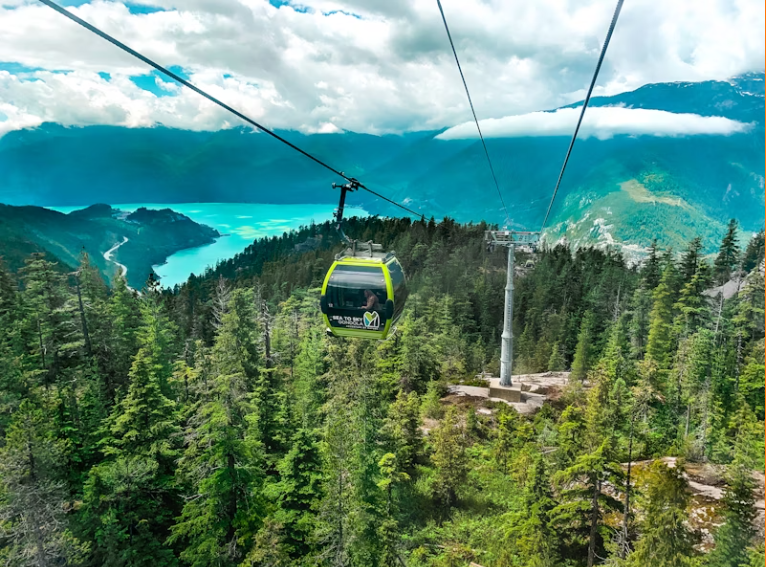
Reaching elevated, remote, steep, or difficult areas can present serious challenges for construction teams, maintenance crews, industrial operators, and infrastructure managers. Conventional access methods may not suit every site, particularly where terrain, height, distance, or structural conditions create complex requirements.
Ropeway access Philippines solutions provide a specialized approach for projects that require controlled cable-based movement, elevated access, or transportation across challenging locations. Properly designed systems can support maintenance, inspection, construction, tourism, industrial operations, and other specialized applications.
828 Cable System Inc. specializes in rope, height, cable, and load engineering. The company provides services covering fall protection, height access solutions, cable engineering, ropeway engineering, zipline engineering, and load engineering across the Philippines and throughout Asia. Its service offering also includes overhead cranes, gantry cranes, jib cranes, and automatic hooks.
For projects requiring ropeway access Philippines solutions, professional engineering plays a major role. Site conditions, structural requirements, cable configuration, loads, intended use, installation requirements, and safety considerations all need careful assessment before a system is selected.
What Is Ropeway Access?
Ropeway access refers to specialized cable-based systems designed to support movement, access, or transportation across elevated, sloped, remote, or difficult-to-reach areas.
A typical system may involve cables, support structures, carriers, anchors, mechanical components, and other engineered equipment. Each component must work according to the requirements of its intended application.
For ropeway access Philippines projects, system design should account for factors such as:
- Site terrain
- Elevation
- Travel distance
- Cable configuration
- Structural support
- Load requirements
- Environmental conditions
- Intended operation
- Inspection and maintenance requirements
Ropeway systems differ from ordinary ladders, scaffolding, cranes, and elevated work platforms. Rather than relying solely on temporary structures or conventional access equipment, a ropeway system can provide a dedicated cable-based route for suitable applications.
The correct solution depends on the project. A system designed for tourism may have different requirements from one intended for industrial maintenance, infrastructure access, or specialized transportation.
Why Ropeway Access Matters for Philippine Projects
The Philippines has a wide range of terrain, structures, industrial facilities, commercial developments, and tourism destinations. Some projects require access across locations where standard methods may be difficult, costly, or impractical.
This creates opportunities for ropeway access Philippines solutions designed around actual site conditions.
Difficult Terrain and Elevated Locations
Mountainous areas, steep slopes, remote locations, and uneven terrain can create major access challenges. Cable-supported systems may provide a practical option where conventional transportation or access routes are difficult to establish.
Engineering assessment remains essential. The terrain, support structures, cable span, expected loads, and operating conditions all need evaluation before system development.
High-Rise and Industrial Structures
High-rise buildings and large industrial structures may require specialized access for inspection, cleaning, repair, installation, or maintenance.
A well-planned ropeway access Philippines system can form part of a broader height-access strategy for suitable applications. Building maintenance systems, rope access equipment, fall protection systems, and cable-based solutions may work together according to project requirements.
Reference materials supplied for the company show building maintenance systems supporting access for façade cleaning, inspection, and maintenance activities on high-rise structures.
Access Efficiency
Difficult access can affect project scheduling, manpower requirements, equipment planning, and operational costs. A dedicated access system may provide a more organized route for repeated work where site conditions support such an approach.
Safety Considerations
Height-related work requires careful planning. Cable systems should be designed, installed, inspected, and operated according to applicable project requirements and safety practices.
Ropeway access should form part of a complete safety plan rather than being viewed as a standalone answer for every height-related risk.
Ropeway Engineering and Height Access Working Together
Ropeway engineering involves more than selecting a cable and installing supporting equipment. A suitable system requires careful consideration of the full operating environment.
For ropeway access Philippines projects, engineering work may involve:
- Site assessment
- System planning
- Cable selection
- Support structure evaluation
- Load assessment
- Anchor and connection planning
- Installation planning
- Inspection requirements
- Maintenance considerations
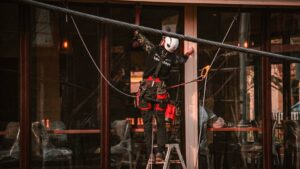
Height access and ropeway engineering can also overlap with fall protection. Depending on the application, workers may require harnesses, lifelines, anchors, connectors, or other protective equipment.
The supplied company information identifies 828 Cable System Inc. as a service company established within the Benedicto Steel Group to serve the rigging industry. Its stated capabilities cover wire rope-related projects, fall protection, height access solutions, and ropeway engineering across the Philippines and Asia.
This combination of services gives project owners access to a broader engineering resource when a project involves multiple rope, cable, height, and load requirements.
Types of Ropeway and Cable Access Solutions
Different projects require different cable-based systems. Understanding the available engineering categories can help project owners identify the right direction for their requirements.
Ropeway Engineering
Ropeway engineering focuses on the planning and development of ropeway systems according to site and operational requirements.
A project may require consideration of cable routes, support points, structural conditions, loads, movement requirements, and operating conditions.
For ropeway access Philippines projects, professional engineering helps establish whether a ropeway system is appropriate and what configuration may suit the site.
Cable Engineering
Cable engineering focuses on cable-based mobility and related applications.
Cable selection can depend on loads, span, movement, environmental exposure, support arrangements, and intended use. Proper engineering helps ensure that cable-related components are selected according to the project requirements.
Zipline Engineering
Zipline engineering covers specialized cable-based systems designed for controlled travel between points.
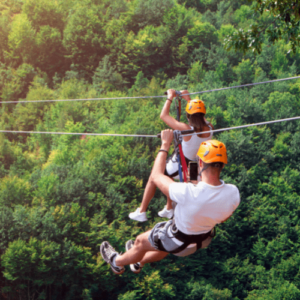
Tourism facilities, recreational destinations, resorts, adventure parks, and other specialized locations may require engineered zipline systems.
Although zipline systems have a recreational focus, they still require careful consideration of loads, cable configuration, support structures, braking arrangements, user movement, and operational safety.
Height Access Solutions
Height access solutions support work around elevated structures and difficult-to-reach areas.
Applications may include building maintenance, façade work, inspection, industrial maintenance, and other specialized operations.
For a ropeway access Philippines project involving personnel working at height, height-access planning should also consider fall protection requirements.
Where Ropeway Access Philippines Solutions Can Be Used
The versatility of cable-based systems makes them relevant to several industries and applications.
Building Maintenance
High-rise structures often require recurring exterior maintenance. Windows, façades, architectural features, structural components, and external equipment may need inspection, cleaning, repair, or replacement.
Ropeway and height-access systems can support suitable building maintenance applications when properly engineered for the structure.
The company’s supplied reference materials identify building maintenance systems as a dedicated service category, describing access solutions for cleaning, inspection, and maintenance of buildings and structures.
Construction Projects
Construction projects may involve elevated structures, bridges, towers, large buildings, and other areas where access changes as work progresses.
A ropeway access Philippines solution may be considered for specialized access requirements where conventional methods are unsuitable for the project conditions.
Industrial Facilities
Factories, plants, warehouses, processing facilities, and other industrial sites can contain elevated equipment, platforms, structures, and maintenance areas.
Cable-based access may support inspection, maintenance, or specialized operations where the system is suitable for the application.
Tourism and Adventure Facilities
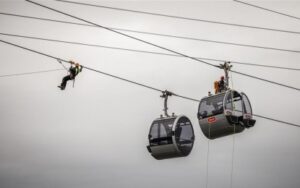
The Philippines has numerous destinations suited to outdoor recreation and adventure tourism. Ropeways and ziplines can support controlled movement across valleys, slopes, and elevated landscapes.
Such projects require careful engineering because passenger movement introduces specific operational and load considerations.
Infrastructure and Remote Locations
Bridges, towers, mountainous facilities, remote structures, and other infrastructure may present difficult access conditions.
A properly planned ropeway access Philippines system can provide a potential solution for projects where conventional access routes are challenging.
Ropeway Access and Fall Protection
Ropeway access and fall protection address related but distinct requirements.
A ropeway system may provide movement or access, while a fall protection system is designed to reduce the risk associated with falls from height. Depending on the application, both may be required.
Potential fall protection components can include:
- Full-body harnesses
- Anchors
- Anchor points
- Horizontal lifelines
- Vertical lifelines
- Connectors
- Self-retracting devices
- Safety lanyards
The supplied company reference materials show fall arrest systems as a dedicated service category, alongside building maintenance systems and other industrial solutions.
For ropeway access Philippines projects, safety planning should consider how workers enter, travel through, work within, and exit the system. Equipment selection should match the actual task, environment, user requirements, and applicable safety requirements.
Training, inspection, proper installation, and routine maintenance are also important parts of a responsible height-access program.
What to Consider Before Choosing a Ropeway Access System
Selecting a ropeway system should begin with the project requirements rather than a particular product.
Site Conditions
Review the:
- Terrain
- Elevation
- Travel path
- Available support structures
- Environmental exposure
- Access points
- Space restrictions
These factors can affect the overall system configuration.
Intended Use
Clarify how the system will operate. Possible uses include:
- Personnel access
- Inspection
- Building maintenance
- Construction activities
- Material movement
- Tourism
- Recreation
- Infrastructure operations
A clear understanding of the intended use helps engineers determine appropriate system requirements.
Load Requirements
Load engineering is particularly important for cable-based systems.
Consider:
- Personnel weight
- Equipment weight
- Materials
- Dynamic loads
- Operating conditions
- Maximum anticipated loading
828 Cable System Inc. identifies Load Engineering as one of its service categories, making load considerations a natural part of its broader engineering offering.
Cable and Structural Requirements
Cable systems depend on suitable support structures and connection points.
Engineering considerations may include:
- Cable type
- Cable span
- Support arrangement
- Anchor locations
- Structural capacity
- Connection components
- Operating loads
Each project should receive a site-specific assessment rather than relying on assumptions from another installation.
Installation and Maintenance
Proper installation affects system performance and long-term serviceability.
Project planning should account for installation access, inspection requirements, component condition, maintenance schedules, and replacement needs.
Why Work With an Engineering Specialist for Ropeway Access Philippines?
Ropeway projects can involve several engineering disciplines at once. A company experienced with rope, cable, height, and load requirements can provide a more coordinated approach to project planning.
Specialized Rope, Height, and Load Expertise
828 Cable System Inc. positions itself as an engineering specialist focused on rope, height, and load challenges.
Its stated service areas include:
- Fall Protection
- Height Access Solutions
- Cable Engineering
- Ropeway Engineering
- Zipline Engineering
- Load Engineering
Multiple Related Engineering Services
A project may require more than one service. For example, a high-rise access project could involve height access, fall protection, cable engineering, and load assessment.
Having related capabilities available through one engineering service provider can help create a more coordinated project process.
Supply and Installation Support
828 Cable System Inc. provides supply and installation services for systems such as fall arrest equipment, walkways, guardrails, building maintenance units, cable cars, and related solutions.
This allows project requirements to be considered from system planning through physical installation.
Philippine and Asian Project Coverage
The company’s supplied information states that it handles wire rope-related projects and services across the Philippines and throughout Asia.
For organizations searching for ropeway access Philippines, this geographic coverage makes 828 Cable System Inc. a relevant company to contact for project discussions.
How 828 Cable System Inc. Supports Ropeway Access Projects
A practical project process can be organized around five stages:
Assess
Start with the site and project requirements.
Engineers can review access challenges, terrain, height, intended use, loads, support structures, and other relevant conditions.
Design
The system can then be planned around the project requirements.
Cable routing, support arrangements, structural considerations, load requirements, and operational needs should all be considered.
Supply
Suitable equipment and components can be sourced according to the system design and project requirements.
Install
Installation should follow the approved engineering design and appropriate project procedures.
Correct positioning, connections, support arrangements, and component installation all matter for system performance.
Support
Inspection, maintenance, technical assistance, and periodic system review can help maintain long-term serviceability.
This approach gives ropeway access Philippines projects a structured path from initial requirements through system implementation.
Ropeway Access Philippines vs. Conventional Access Methods
No single access method suits every project. The right choice depends on site conditions, work requirements, height, loads, duration, and safety considerations.
| Access Method | Suitable Applications | Main Consideration |
|---|---|---|
| Ropeway Access | Specialized cable-based movement and difficult locations | Requires engineering assessment |
| Scaffolding | Construction and building maintenance | Requires setup space and structural planning |
| Ladders | Short-duration access tasks | Limited working position |
| Cranes | Heavy lifting and elevated operations | Requires lifting and load planning |
| Rope Access | Specialized work at height | Requires trained personnel and appropriate safety systems |
This comparison shows why project owners should assess the actual site before selecting an access method.
For some applications, ropeway access Philippines systems may provide a practical option. Other projects may be better served by scaffolding, cranes, rope access, or another engineered solution.
Benefits of Properly Engineered Ropeway Access
A properly planned ropeway system can offer several potential benefits when suitable for the project.
Access to Difficult Locations
Cable-based systems can provide routes across locations that may be difficult to reach using conventional methods.
Organized Movement
A dedicated cable route can provide controlled movement between defined points, subject to the system’s design and operating requirements.
Support for Maintenance and Inspection
Ropeway access may assist teams that need recurring access to elevated structures, remote facilities, or challenging work areas.
Project-Specific Design
Engineering allows the system to be planned around terrain, loads, structures, travel requirements, and intended use.
Integration With Safety Measures
Where required, ropeway systems can form part of a wider access and fall protection strategy.
Better Access Planning
Early engineering assessment helps project owners understand the requirements before equipment procurement and installation begin.
Takeaway
Ropeway access Philippines solutions can provide specialized access and cable-based movement for projects involving challenging terrain, elevated structures, industrial facilities, infrastructure, building maintenance, tourism, and other demanding applications.
The success of a ropeway system depends on more than equipment selection. Site conditions, cable configuration, structural support, loads, intended use, installation, inspection, maintenance, and safety requirements all deserve careful attention.
828 Cable System Inc. brings together expertise across rope, height, cable, ropeway, zipline, fall protection, and load engineering. Its stated service coverage extends across the Philippines and throughout Asia, giving organizations a specialized resource for complex ropeway and height-access requirements.
For organizations searching for ropeway access Philippines, starting with an engineering assessment can help clarify the most suitable approach for a specific project.
Planning a ropeway access project? Contact 828 Cable System Inc. to discuss your ropeway, cable, height access, fall protection, or load engineering requirements.
Common Questions About Ropeway Access Philippines
What is ropeway access Philippines?
Ropeway access Philippines refers to cable-based access and movement systems designed for suitable elevated, remote, sloped, or difficult-to-reach locations across Philippine projects.
What is ropeway engineering?
Ropeway engineering involves planning and designing cable-based systems according to site conditions, structural requirements, loads, movement requirements, and intended operation.
Can ropeway systems be used for building maintenance?
Yes. Ropeway and related height-access systems may support suitable building maintenance activities such as façade inspection, cleaning, repair, and external maintenance, subject to proper engineering and safety planning.
What is the difference between ropeway access and rope access?
Ropeway access generally refers to engineered cable-based movement or transportation systems. Rope access typically refers to techniques where trained workers use ropes and specialized equipment to reach and perform tasks at height.
Both can serve different project requirements.
Does ropeway access require fall protection?
Safety requirements depend on the system design, application, operating environment, and applicable requirements. A project assessment should determine the appropriate combination of access and fall protection measures.
Can ropeway systems be designed for different projects?
Yes. Ropeway systems should be assessed according to factors such as terrain, travel distance, intended use, loads, support structures, cable configuration, and operating conditions.
What services does 828 Cable System Inc. provide?
828 Cable System Inc. provides services covering Fall Protection, Height Access Solutions, Cable Engineering, Ropeway Engineering, Zipline Engineering, and Load Engineering. Its listed load-related services also include Overhead Crane, Gantry Crane, Jib Crane, and Automatic Hooks.